Artist Spotlight: Q&A with Jian Liu

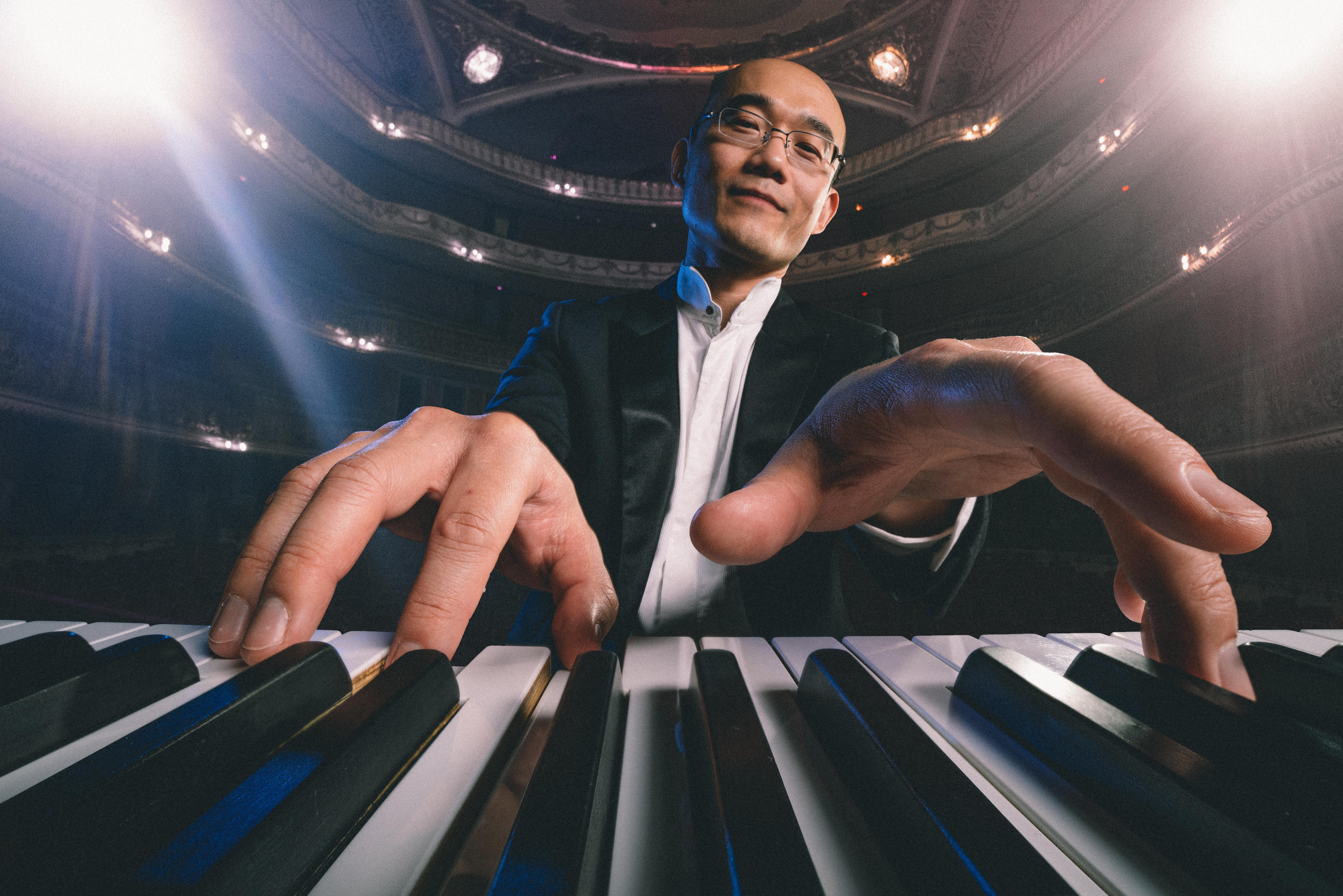
Chinese-New Zealand pianist Jian Liu, winner of Best Classical Artist at the 2025 Aotearoa Music Awards, performs with Chamber Music New Zealand in New Plymouth on Saturday 20 June at 4th Wall Theatre.
In the lead up to the performance, he had a chat with us about the programme that draws on the soundscapes of his two homes, China and New Zealand, his favourite places in both countries, and what he hopes audiences might feel on hearing the music.
What was the inspiration behind this particular programme of music?
I’ve been living in New Zealand for the past 15 years, and over time I’ve developed a deep appreciation for both the music and the people here. I’ve had the privilege of working with many New Zealand composers and recording their works, which eventually led to the publication of two volumes of New Zealand piano music in China. At the same time, my own heritage is Chinese, and I grew up learning and performing Chinese piano repertoire. This dual musical background naturally inspired me to explore a programme that brings together piano music from both countries. By presenting them side by side, I hope each can offer a fresh perspective on the other, enriching the listener’s experience.
The landscapes and sounds of your two homes are quite different from one another. What themes and threads link the pieces that you chose to represent China and New Zealand? How do they contrast with each other?
You’re absolutely right—New Zealand and China differ greatly in landscape, history, culture, and musical language. However, when I paired works from both countries around shared themes—such as landscape, song, sonatina, or lullaby—a compelling musical narrative began to emerge.It’s fascinating to observe how composers from these two traditions approach similar ideas using different compositional techniques. Sometimes the results are strikingly similar, while still preserving their distinct cultural identities. This interplay of contrast and connection is at the heart of the programme.
What sounds or music are the most characteristic of each place?
In New Zealand music, there is often a strong sense of space and nature, with references to the natural environment—especially birds—coming to the foreground. In contrast, Chinese piano music frequently draws on folk traditions, reinterpreting folk songs and materials to evoke memory, place, and cultural identity. This connection to folk heritage is a defining characteristic of much of the repertoire.
What is your favourite Chinese location and why?
I haven’t travelled extensively in China beyond major cities such as Beijing, Shanghai, and my hometown, Qingdao. I would have to say Qingdao remains my favourite, as it’s where I spent my childhood. There’s a natural emotional attachment that comes with those early memories. It’s also a beautiful coastal city with a unique character—historically a German concession during World War I, which left a legacy of distinctive European-style architecture in the older parts of the city.
What’s your favourite New Zealand location and why?
That’s a very difficult question! I’ve probably visited more places in New Zealand than in China, thanks to extensive touring with Chamber Music New Zealand. Each town and city has its own charm.I particularly enjoy Hawke’s Bay for its wonderful produce—especially during the summer months with family. Nelson is another favourite, with its proximity to Abel Tasman National Park. Christchurch has become an exciting and vibrant city with so much positive energy.Wellington remains especially dear to me for its rich musical and cultural life. And of course, places like Wānaka, Queenstown, and many small South Island towns are always a joy to visit. New Zealand as a whole is simply a beautiful country.
If you could collaborate with any artist, dead or alive, who would it be and why?
That’s another impossible question! There are so many inspiring figures. I would love to hear Liszt perform, observe Bach composing, or watch Da Vinci at work. To witness any of these masters in their element would be truly mind-blowing and deeply inspiring.
What do you hope audiences will experience when they hear this music?
I hope audiences will experience a glimpse of musical life from both countries and form their own connections between the pieces. By presenting works with shared themes, I hope listeners can hear both the similarities and the contrasts between the two traditions. Many of these works are not part of the standard repertoire, although some Chinese pieces are very well known to Chinese audiences. I hope that those who recognise them might feel a sense of nostalgia or homecoming here in New Zealand, while others discover something entirely new. Ultimately, I hope the music resonates differently with each listener and sparks personal reflection.
Other media
View all

A Q&A with Dawn Hardwick, pianist and Artistic Director of The John Psathas Group
Ahead of the launch of The John Psathas Group, we chatted with London-based Welsh pianist and Artistic Director Dawn Hardwick about her long collaborative history and friendship with John Psathas, and what she's most looking forward to about the tour with Chamber Music New Zealand.


John Psathas on Live Art, AI, and why the Concert Hall matters more than ever
It is a great honour for Chamber Music New Zealand to now usher the John Psathas Group into the world as this remarkable new ensemble prepares for its first-ever tour.


2025 Annual Report
A summary of Chamber Music New Zealand Puoro Taiwhanga Aotearoa's 2025 year, detailing our concerts and community engagement activities.

Shared songs, shared stories
Shared Songs, Shared Stories: The Power of Music in Our Communities.


Artist Spotlight: Q&A with composer John Psathas
John Psathas is one of Aotearoa New Zealand’s most prominent composers, with his work achieving global acclaim. Chamber Music New Zealand is honoured to usher into the world The John Psathas Group, a supergroup of global artists dedicated to bringing John’s music to life. We asked John to share the inspirations that shape his work, what excites him about the tour ahead, and what this project represents for him.

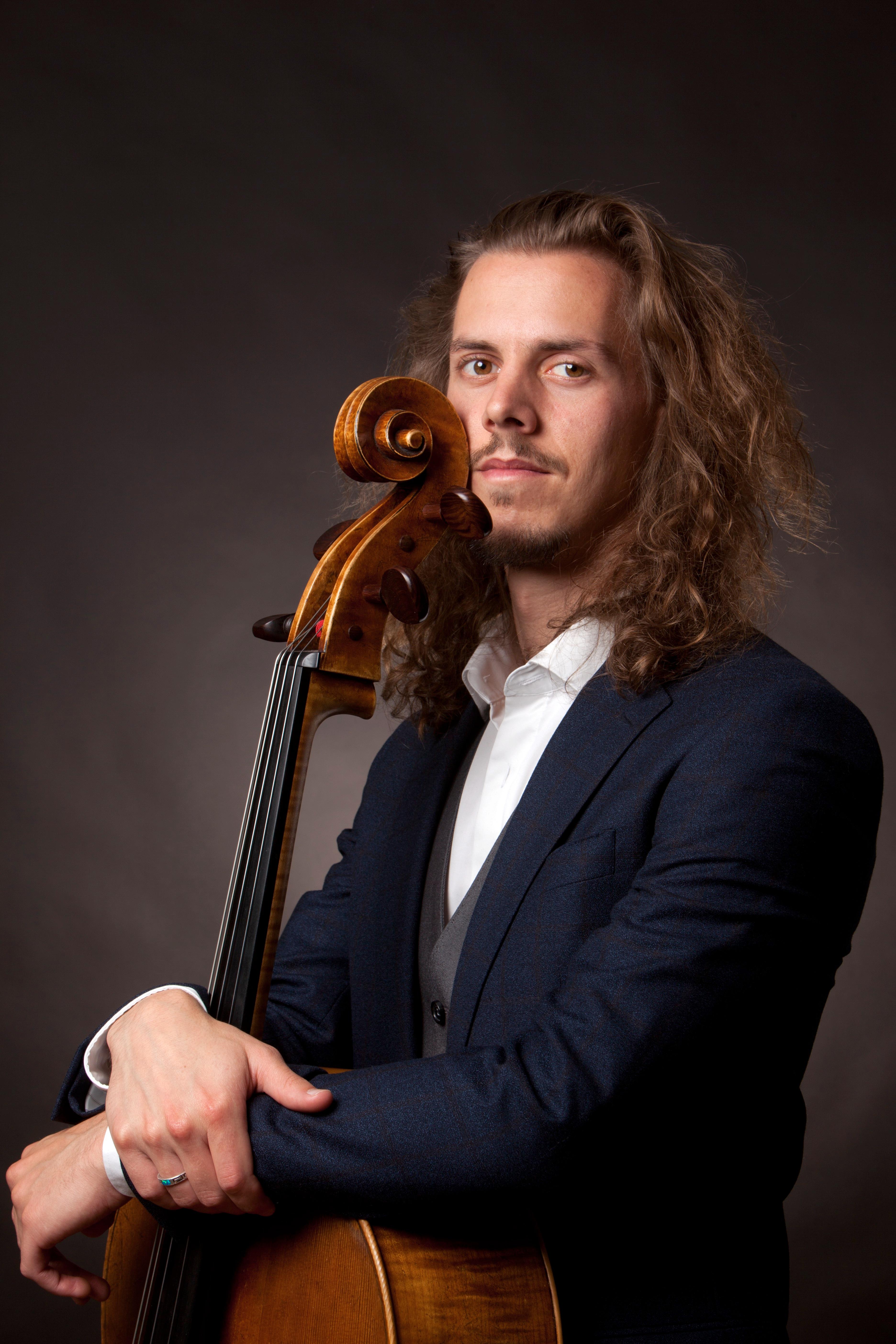
Artist Spotlight: Q&A with NZTrio cellist Matthias Balzat
Adding a viola and double bass, NZTrio He Taonga Wairere will be creating a quintet in the upcoming tour of NZTrio+ to perform Schubert's ebullient and beloved Trout Quintet. We caught up with NZTrio cellist Matthias Balzat and asked him about touring, what he's most looking forward to in the upcoming NZTrio+ tour, and which artists he'd most like to work with.