VDB artistic director Julia Fredersdorff on the Borderlands suite

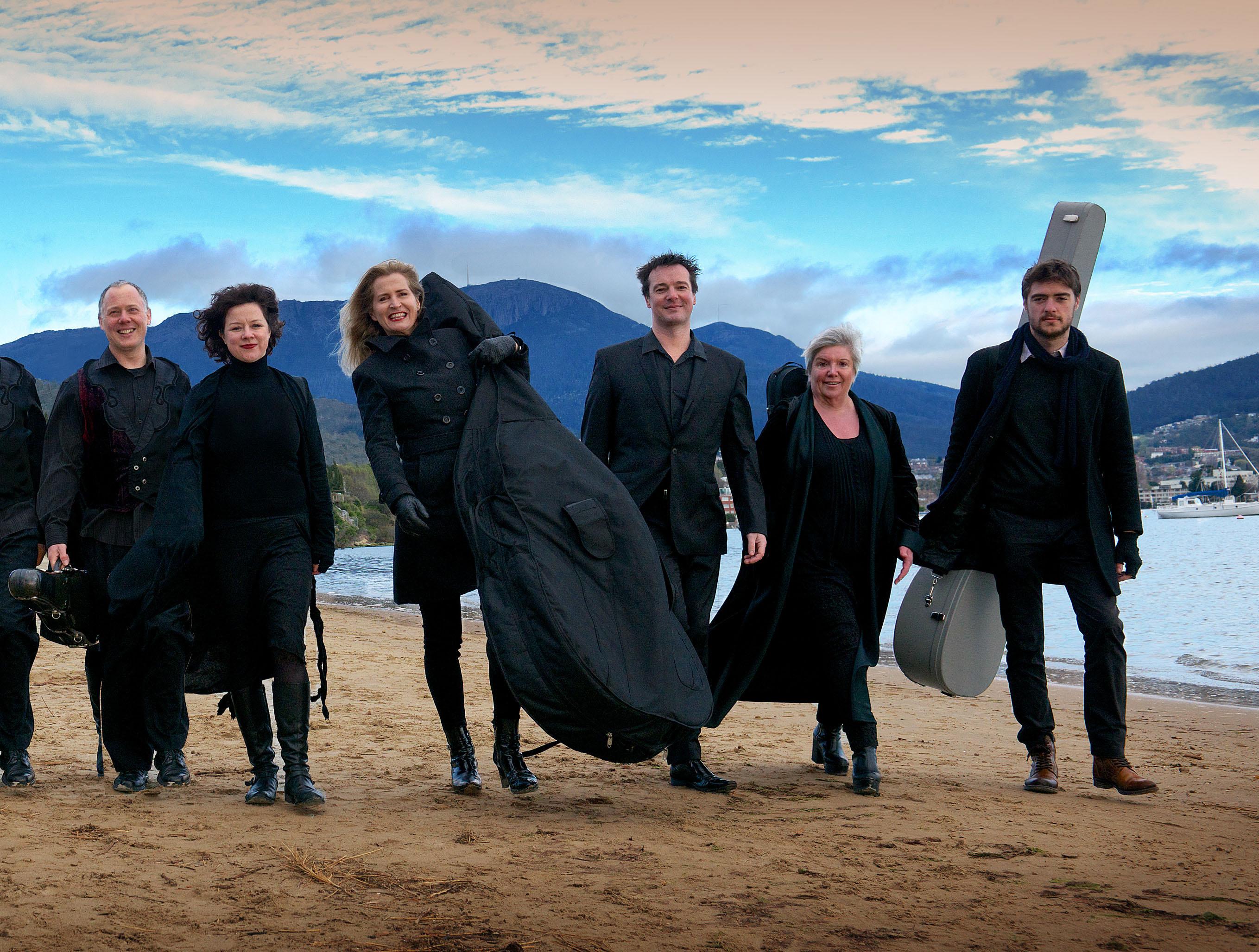
Ahead of Van Diemen’s Band's tour of Aotearoa, we had a kōrero with artistic director Julia Fredersdorff to find out how this colourful programme came about.
Many of the works from the Borderlands suite were written during or in the aftermath of war, by composers turning to lively music for solace and hope – a reality that still rings true today:
The concept of this program was greatly influenced by our situation last year during the umpteenth wave of the pandemic. In Australia, it was impossible to travel from state to state, and particularly in Tasmania, we felt quite isolated from the rest of Australia. It got me thinking about the idea of borders, and how that would have influenced the lives of composers from different backgrounds. In particular, disputed territories such as the borderlands of Germany/France or contested lands. The first composer that came to mind was Georg Muffat, with his multi-national identity brought about by the region in which he was born – a territory with constantly shifting borders. The interesting thing here is that musically, he does not fit into any national characterisation, either; he was trained as a violinist in France, but his background was more Germanic – and he even had Scottish ancestry. He spent a lot of time in Austria and Bohemia (modern-day Czech Republic) but one of his greatest influences compositionally was Corelli, so as a composer he was a true musical polyglot. Because of the pandemic, and having these thoughts within what were at the time our own internationally locked-down borders, I realised that this idea of borders had suddenly become much more of a talking point, and that exploring the idea of borders (or lack of) both in a musical sense, a compositional sense, as well as a human sense, made for very fertile ground programmatically.
Many of the works in our Borderlands programme were written during or in the aftermath of war. Some of this music then served as a vehicle to express those emotions that we find so hard to describe with words. Sometimes the music is programmatic, sometimes it is abstract, but it is one of the truest expressions of the human experience.
When I started curating this programme, the idea of war was something distant, confined to history books – however recent. Now, one year on, war has re-appeared as a menacing presence in our lives. But even now, we see inspiring images and recordings amid the tragedy of war, where people have picked up their instrument and played music to give others courage, to heal, or just to escape that which is almost impossible to bear. Horrible events such as war, and the pandemic we have all been living through, only serve to amplify the need for music, and this is why some of the greatest works of art have appeared like a phoenix from the ashes.
Click here to listen to some of these uplifting excerpts from Van Diemen's Band’s programme, including the propulsive fourth movement (Allegro) from Albinoni’s Sinfonia a cinque, Erlebach’s exquisite “Chaconne” from Ouverture No 2, and the boisterous Sonata jucunda, attributed to Biber – a stately piece that breaks out into extroverted joy.
Other media
View all

A Q&A with Dawn Hardwick, pianist and Artistic Director of The John Psathas Group
Ahead of the launch of The John Psathas Group, we chatted with London-based Welsh pianist and Artistic Director Dawn Hardwick about her long collaborative history and friendship with John Psathas, and what she's most looking forward to about the tour with Chamber Music New Zealand.

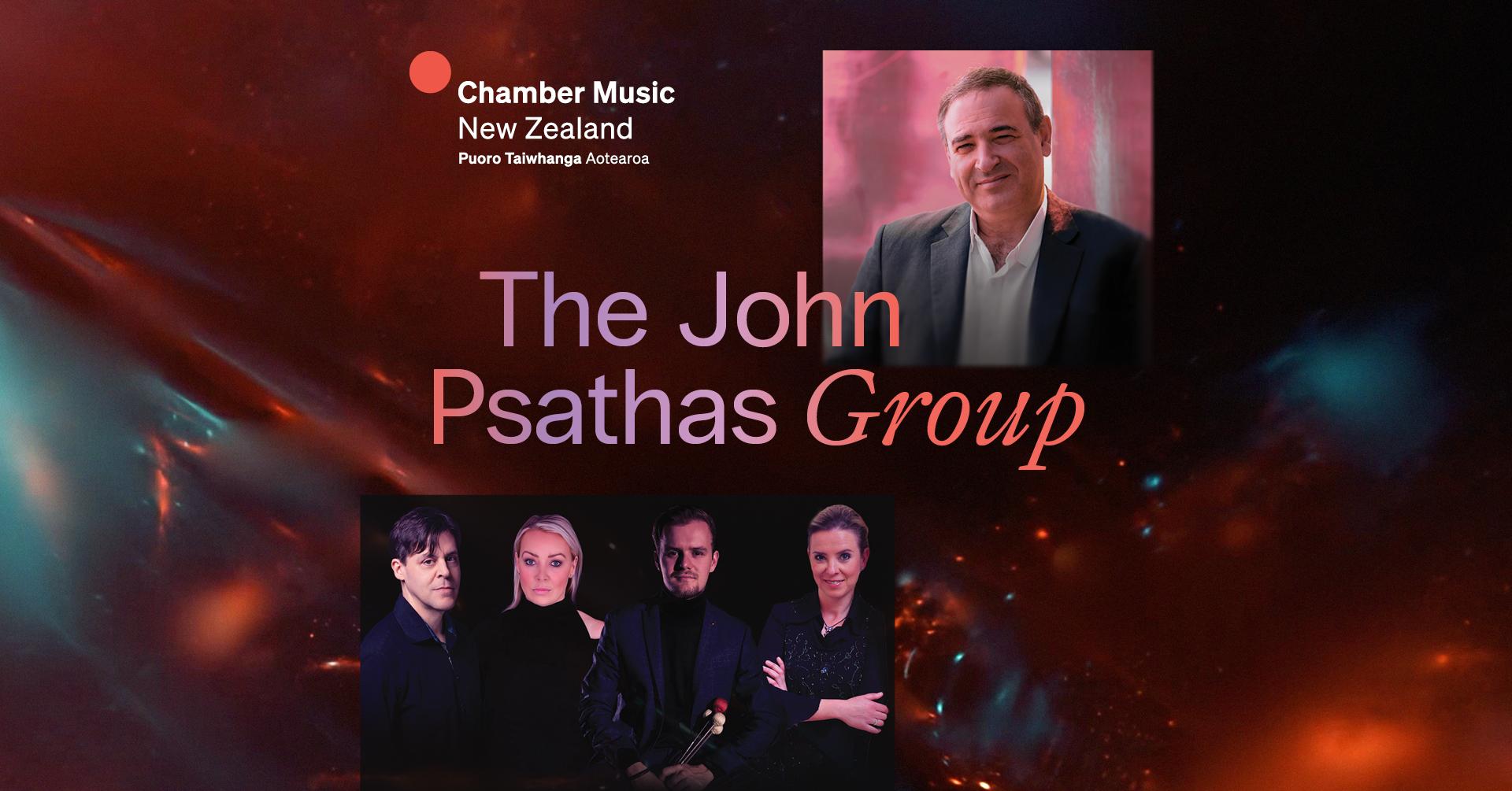
John Psathas on Live Art, AI, and why the Concert Hall matters more than ever
It is a great honour for Chamber Music New Zealand to now usher the John Psathas Group into the world as this remarkable new ensemble prepares for its first-ever tour.

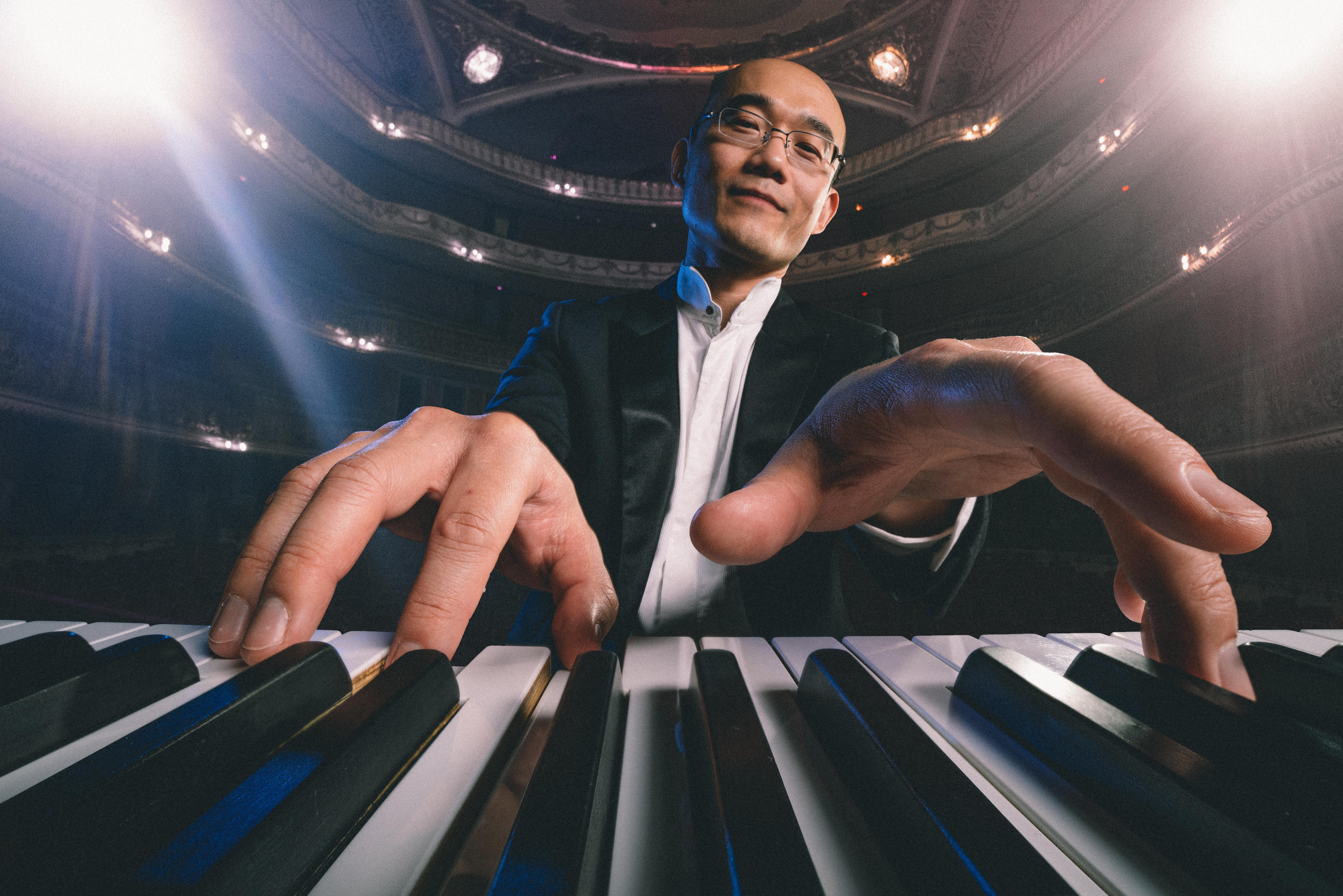
Artist Spotlight: Q&A with Jian Liu
Chinese-New Zealand pianist Jian Liu, winner of Best Classical Artist at the 2025 Aotearoa Music Awards, performs with Chamber Music New Zealand in New Plymouth on Saturday 20 June at 4th Wall Theatre. In the lead up to the performance, he had a chat with us about the programme that draws on the soundscapes of his two homes, China and New Zealand, his favourite places in both countries, and what he hopes audiences might feel on hearing the music.

2025 Annual Report
A summary of Chamber Music New Zealand Puoro Taiwhanga Aotearoa's 2025 year, detailing our concerts and community engagement activities.

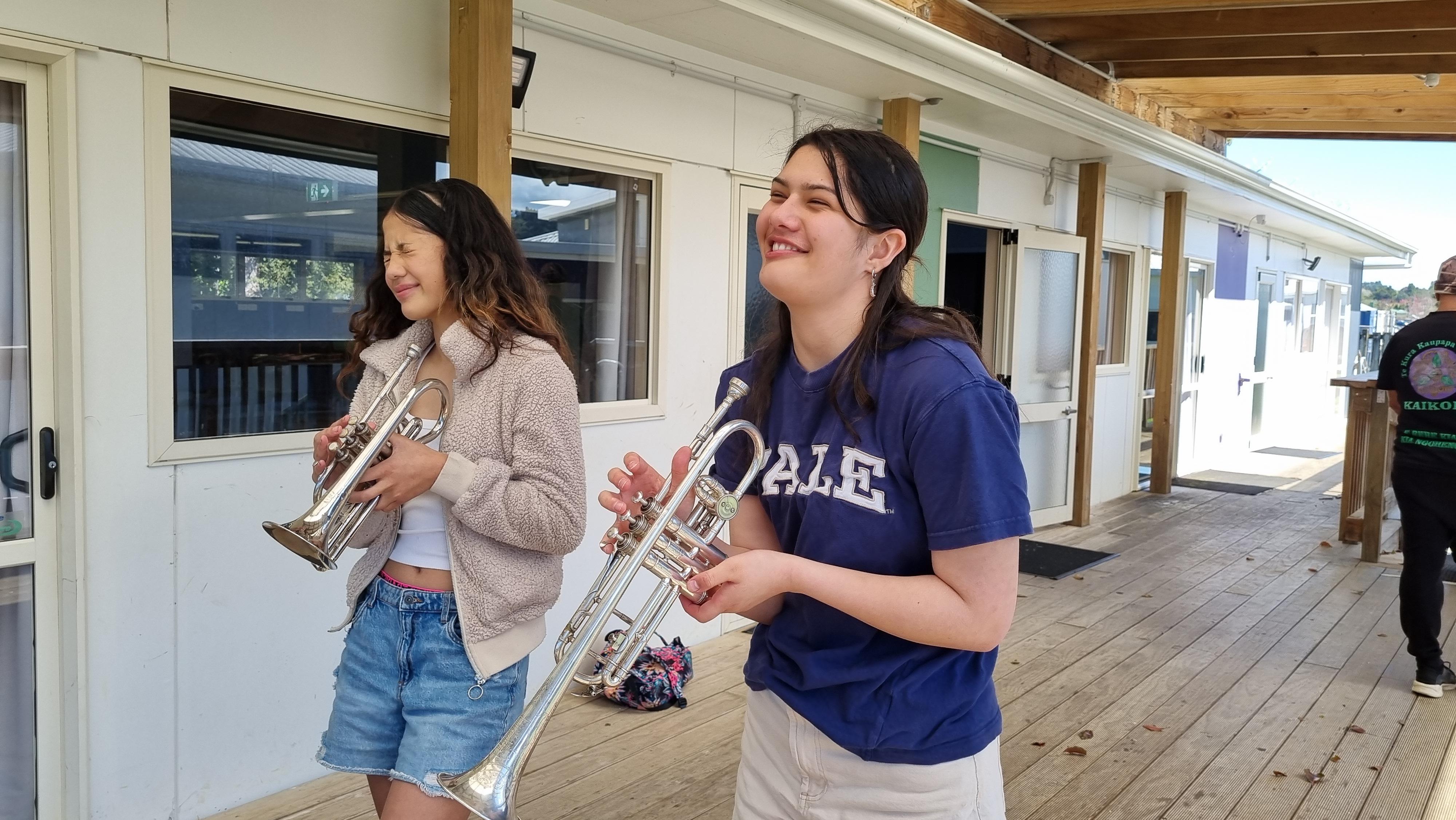
Shared songs, shared stories
Shared Songs, Shared Stories: The Power of Music in Our Communities.


Artist Spotlight: Q&A with composer John Psathas
John Psathas is one of Aotearoa New Zealand’s most prominent composers, with his work achieving global acclaim. Chamber Music New Zealand is honoured to usher into the world The John Psathas Group, a supergroup of global artists dedicated to bringing John’s music to life. We asked John to share the inspirations that shape his work, what excites him about the tour ahead, and what this project represents for him.